On November 10 local time, during the 31st UN Climate Change Conference (COP31), the Global Alliance of Universities on Climate (GAUC) and the Council of Higher Education of Türkiye (YÖK) jointly convened a roundtable discussion titled “Advancing Higher Education Cooperation for a Climate-Resilient Future” in the COP31 Blue Zone in Antalya, Türkiye.
As global climate risks grow increasingly complex, addressing climate change and strengthening resilience have become central to the global governance agenda, placing greater expectations and responsibilities on higher education institutions. The roundtable brought together representatives from universities and relevant institutions in China, Türkiye, Australia, and the United Kingdom to explore the distinctive role of higher education in building climate resilience and discuss the practical challenges facing climate action. The discussion was moderated by Liu Yuqiu, GAUC Global Youth Ambassador from Tsinghua University.
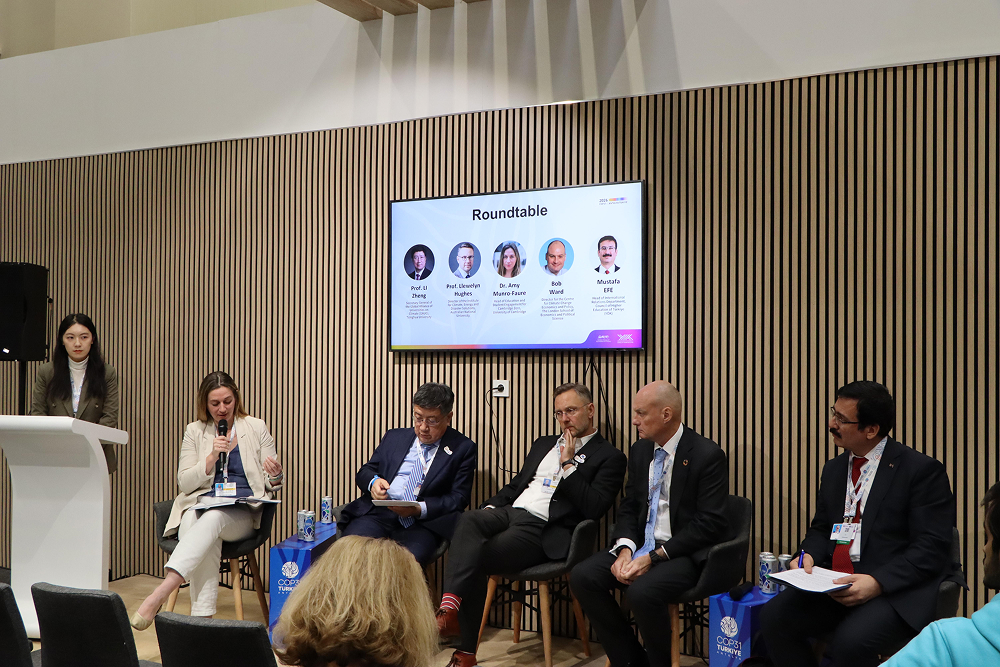
The speakers included Dr. Amy Munro-Faure, Head of Education and Student Engagement at Cambridge Zero, University of Cambridge; Professor LI Zheng, Secretary-General of GAUC and Dean of the Institute for Climate Change and Sustainable Development at Tsinghua University; Professor Llewelyn Hughes, Director of the Institute for Climate, Energy and Disaster Solutions at the Australian National University; Bob Ward, Policy and Communication Director of the Center for Climate Change Economics and Policy at the London School of Economics and Political Science (LSE); and Mustafa Efe, Head of the Department of International Relations at the Council of Higher Education (YÖK).
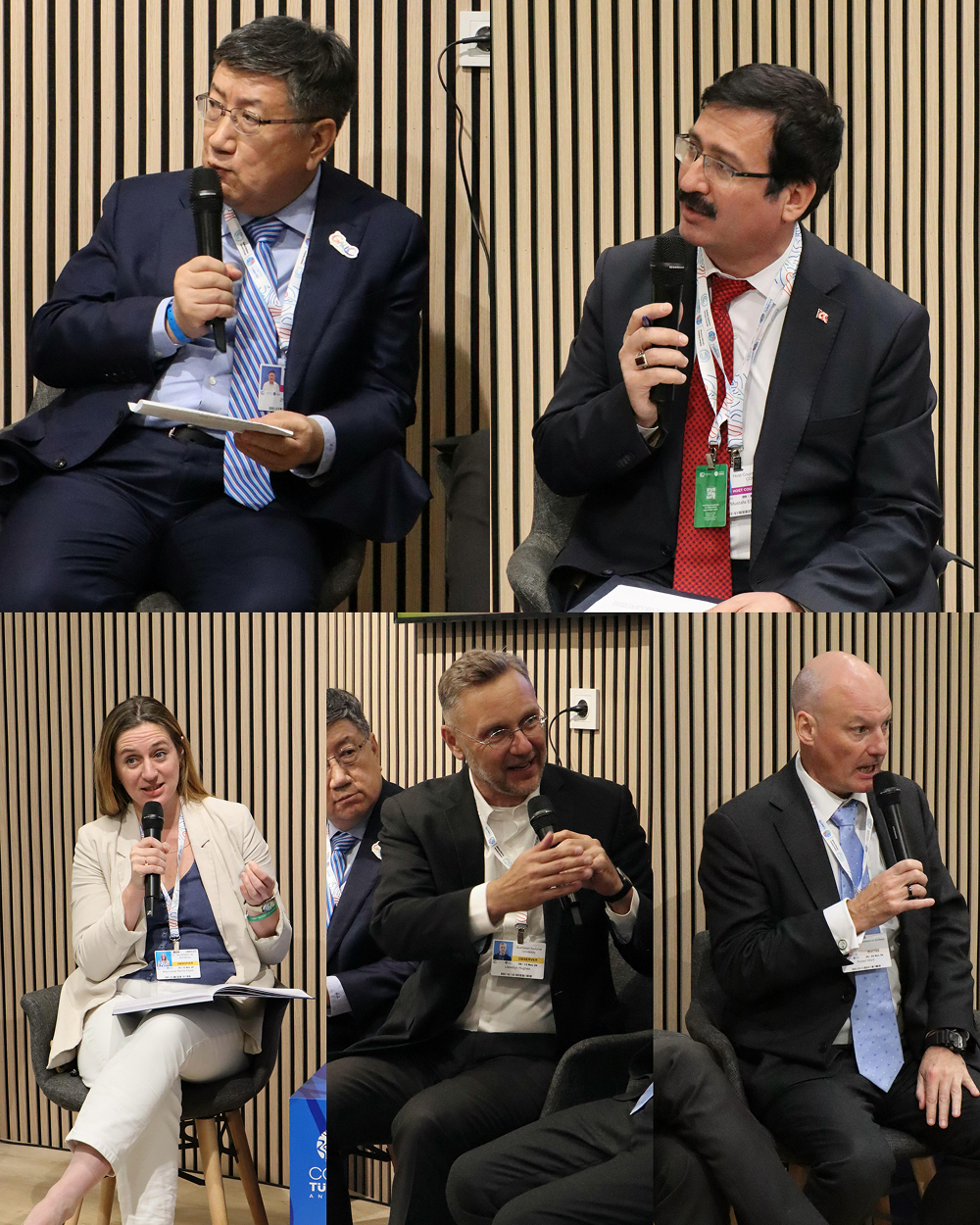
Addressing the role of higher education in tackling climate change and strengthening climate resilience, the speakers shared perspectives from their respective fields. Dr. Amy Munro-Faure emphasized that universities should provide young people with opportunities to learn, explore, and put their knowledge into practice. Professor LI Zheng highlighted the value of higher education in building climate resilience through scientific research, talent development, and the provision of expert knowledge. Drawing on research and practical experience in climate adaptation, Professor Llewelyn Hughes discussed the knowledge and capacities needed to address complex climate risks. Bob Ward noted that, given the uncertainties surrounding future climate risks, universities should not only strengthen research but also ensure that knowledge informs real-world decision-making, while setting an example through sustainable campus development and management. Mustafa Efe introduced Türkiye’s efforts to advance sustainable development and international cooperation in higher education, emphasizing the importance of translating academic research into practical action.
The discussion then turned to implementation, addressing the practical challenges faced by higher education institutions in different countries as they advance climate action. Drawing on the experience of Chinese universities, Professor LI Zheng explored the challenges of interdisciplinary collaboration and institutional arrangements in climate resilience research and practice. Professor Llewelyn Hughes stressed the need to strengthen connections across academic disciplines and social sectors, while developing professional expertise in climate adaptation. From the perspectives of talent development and experiential learning, Dr. Amy Munro-Faure shared how universities can help students build the capacities needed to address complex climate challenges. Bob Ward pointed out that climate resilience requires not only interdisciplinary collaboration but also greater accessibility and public understanding of scientific knowledge, enabling research to respond more effectively to societal needs. Drawing on the experience of Turkish universities, Mustafa Efe introduced initiatives in sustainable campus development and clean energy adoption, highlighting the close links between climate action and broader social sustainability.
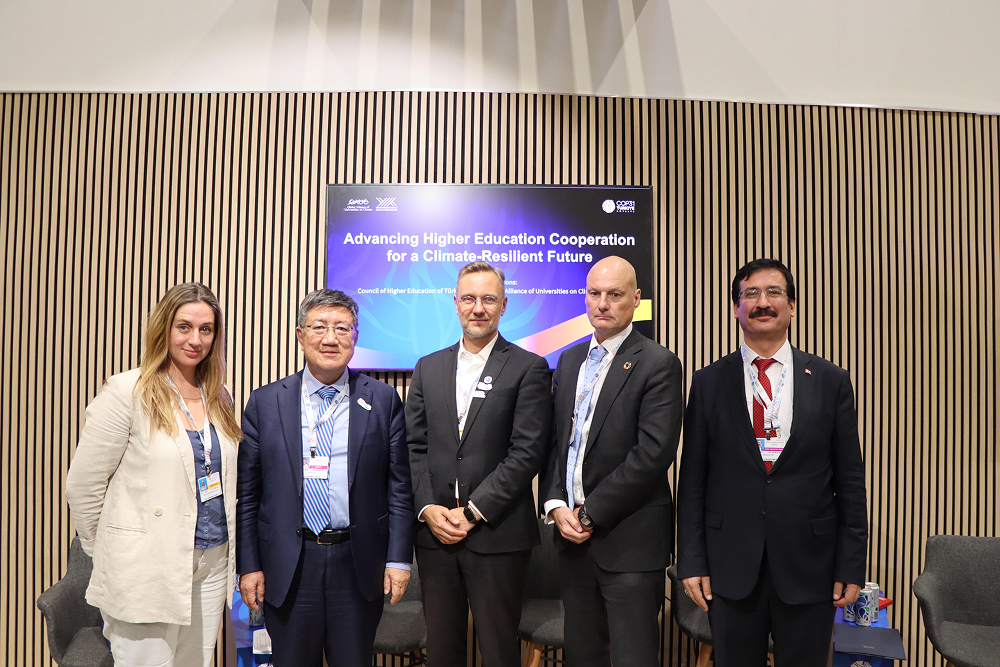
The roundtable provided a platform for higher education institutions from different countries and regions to exchange experiences and perspectives on climate action, further underscoring the important role of universities in global climate governance. In the face of increasingly complex climate risks, universities are well positioned to leverage their strengths in scientific research, talent development, and public engagement, while strengthening interdisciplinary exchange and international cooperation. By translating academic knowledge into practical action, higher education institutions can make meaningful contributions to building a more climate-resilient future.
- end -
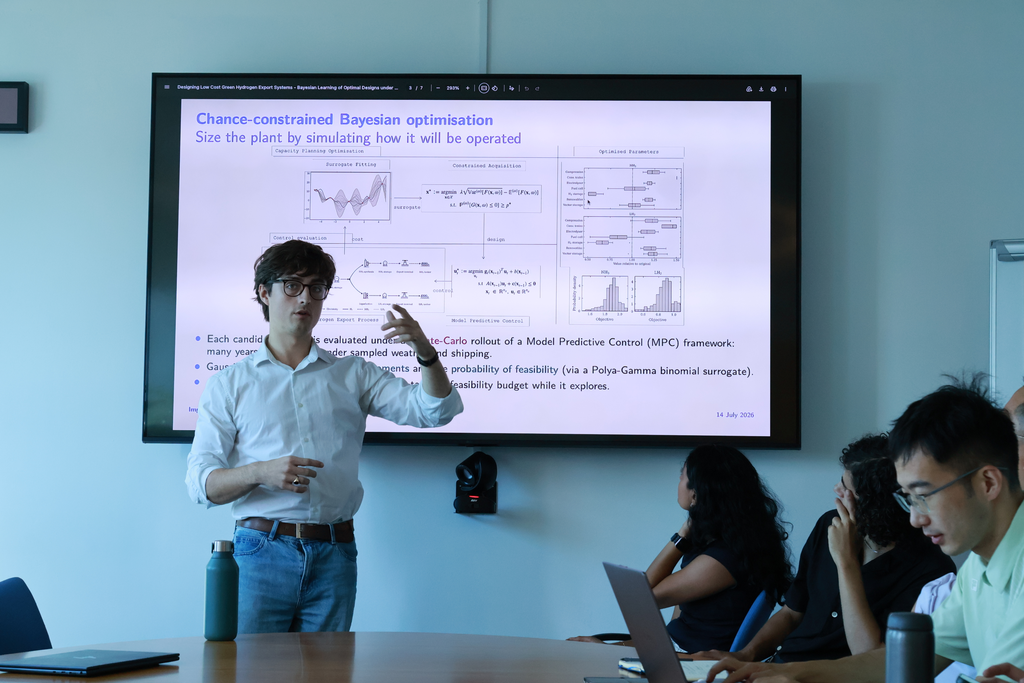
Students from the Department of Energy and Power Engineering, Tsinghua University Visit Imperial College London, the London School of Economics and Political Science, Oxford and Cambridge
LSE and Tsinghua University award twelve joint projects advancing global sustainability

Marching towards COP30 – GAUC Action Plan for Belem