
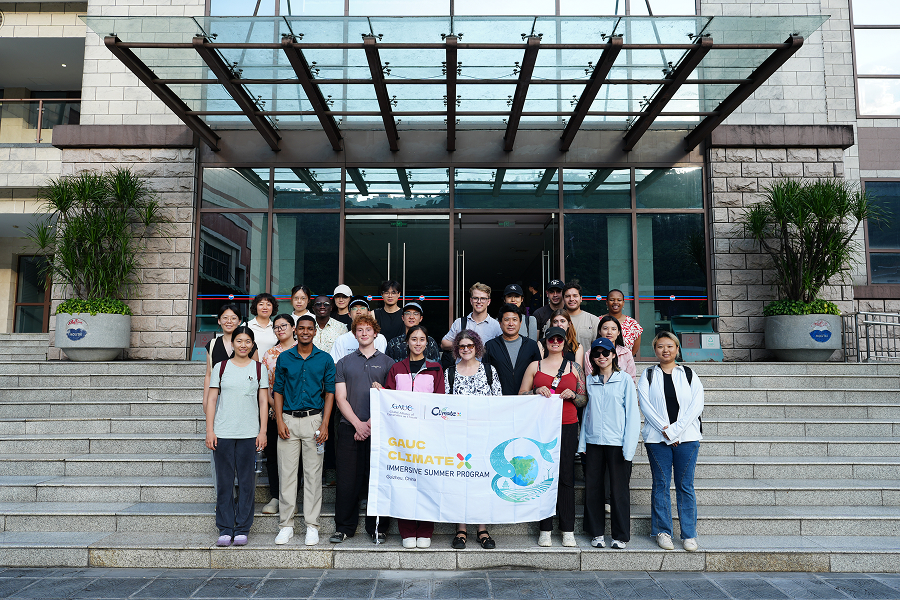
From July 1 to 10, the GAUC Climate x Immersive Summer Program was successfully held in Guizhou, China. Bringing together 27 young students from 18 countries and regions and 12 GAUC member universities, including Tsinghua University, the London School of Economics and Political Science, Australian National University, the University of Oxford, the University of Cambridge, Imperial College London, Sciences Po, Columbia University, Yale University, the University of Tokyo, the Federal University of Rio de Janeiro, and Stellenbosch University, the program centered on climate action and sustainable development. Through thematic lectures, field visits, group projects, and cultural exchange, participants explored digital industries, ecological governance, the circular economy, ethnic villages, and local enterprises. At the intersection of global perspectives and local practice, they explored new pathways for meaningful youth engagement in climate action and climate governance.
The program featured a series of thematic lectures and academic exchanges, moving from global institutions and national strategies to economic analysis and technological innovation. Dong Wenjuan, Deputy Director of Global Climate Governance Research at the Institute for Climate Change and Sustainable Development at Tsinghua University, provided an overview of China’s pathways toward carbon neutrality and greenhouse gas neutrality, highlighting how academic research can support long-term low-emission strategies and the formulation of China’s 2035 Nationally Determined Contribution (NDC). Wang Tianpeng from Tsinghua University’s Institute of Energy, Environment and Economy then explored the economics of climate adaptation. Drawing on cases including European heatwaves, agricultural production, and sea-level rise, he demonstrated how economic tools can be used to evaluate adaptation measures, reduce vulnerability, and address residual losses. Associate Professor Deborah Seligsohn from Villanova University used the IPCC, the United Nations Framework Convention on Climate Change (UNFCCC), and the Kyoto Protocol as a framework to examine how scientific consensus and national interests interact in international climate negotiations, providing participants with an institutional understanding of global climate governance. At the School of Materials and Metallurgy of Guizhou University, Professor Xie Haibo shared research on bamboo-based biomass utilization and the use of bamboo as an alternative to plastic, while Assistant Professor Ge Xiang introduced technologies for recycling spent lithium-ion batteries.
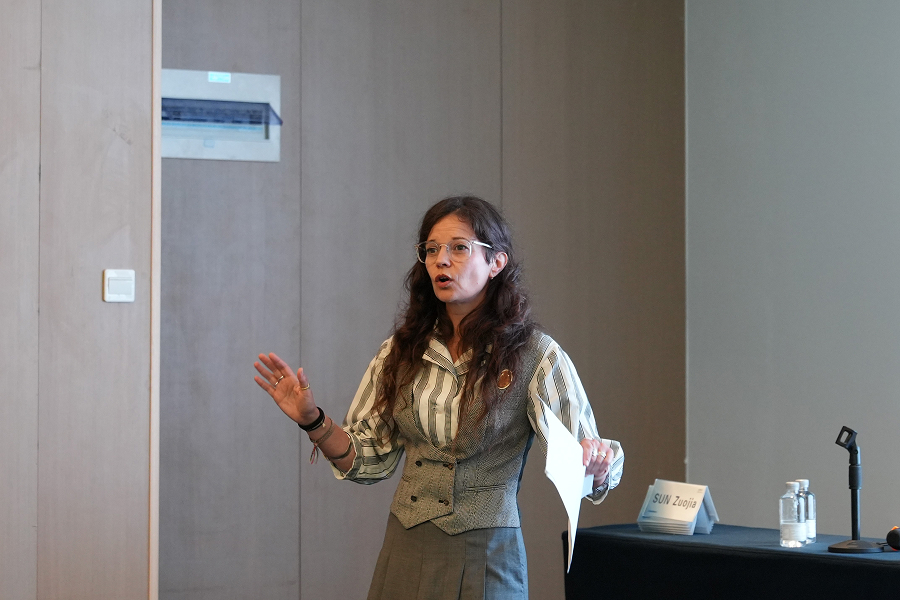
Liliana Rezende from Oxford delivered a thematic session as mentor on public communication of climate issues
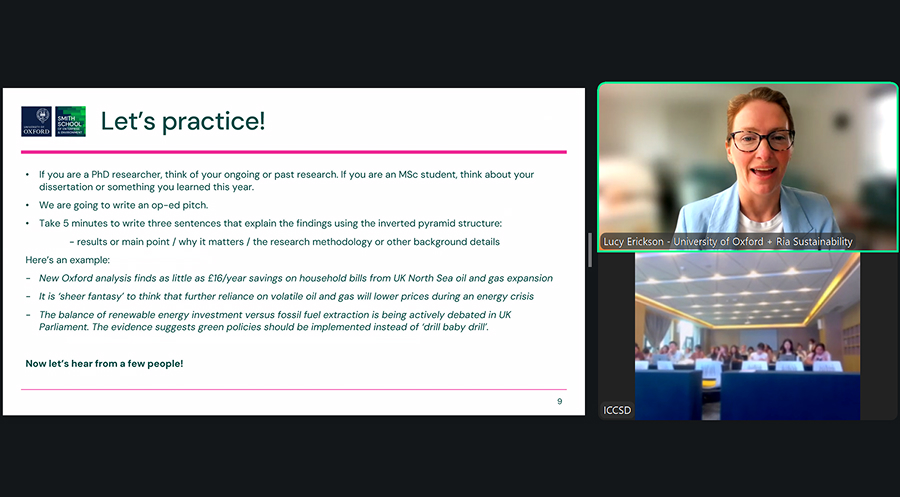
Lucy Erickson from Oxford delivered a thematic session as mentor on communication and social media content creation
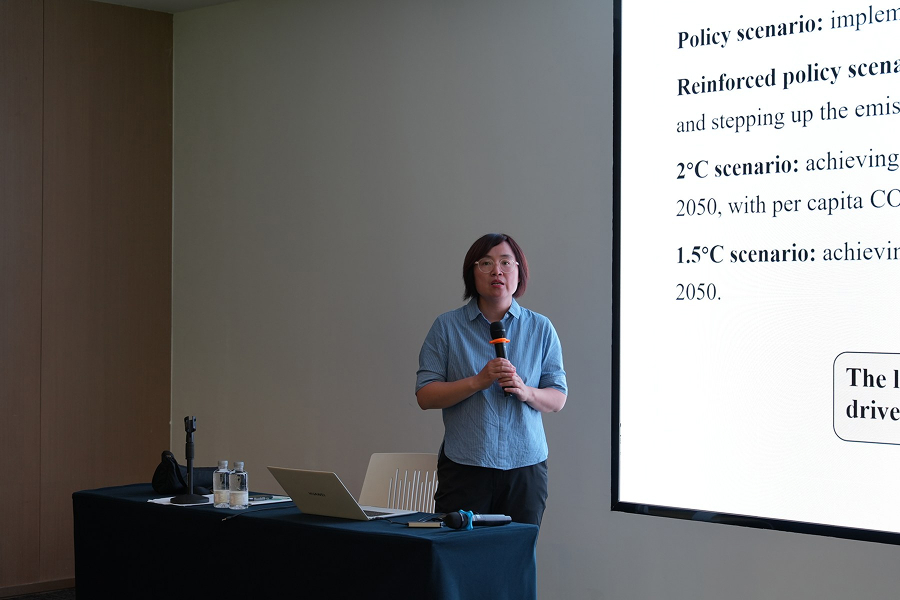
Dong Wenjuan, Associate Researcher at Tsinghua University, delivers a lecture on carbon neutrality
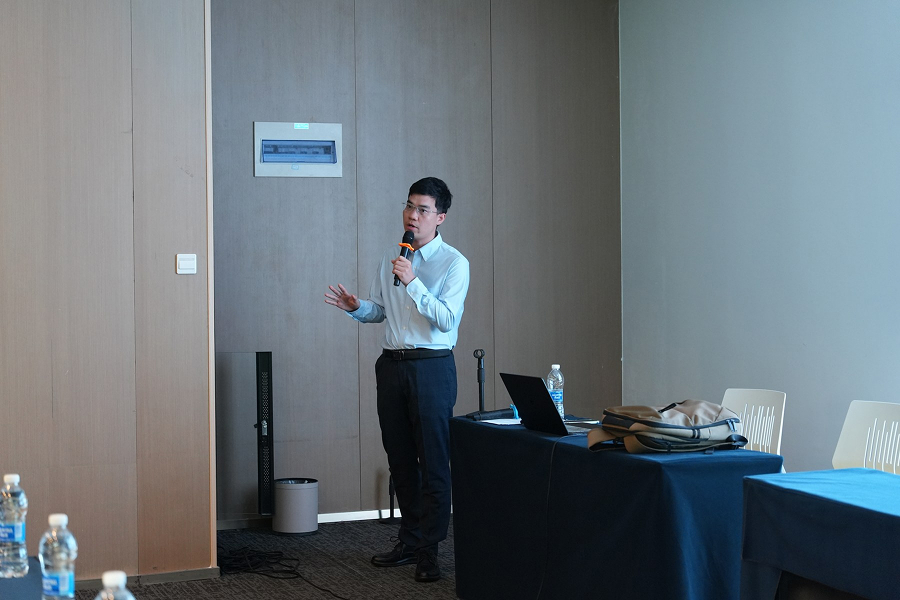
Wang Tianpeng from the Institute of Energy, Environment and Economy at Tsinghua University delivers a lecture on the economics of climate adaptation
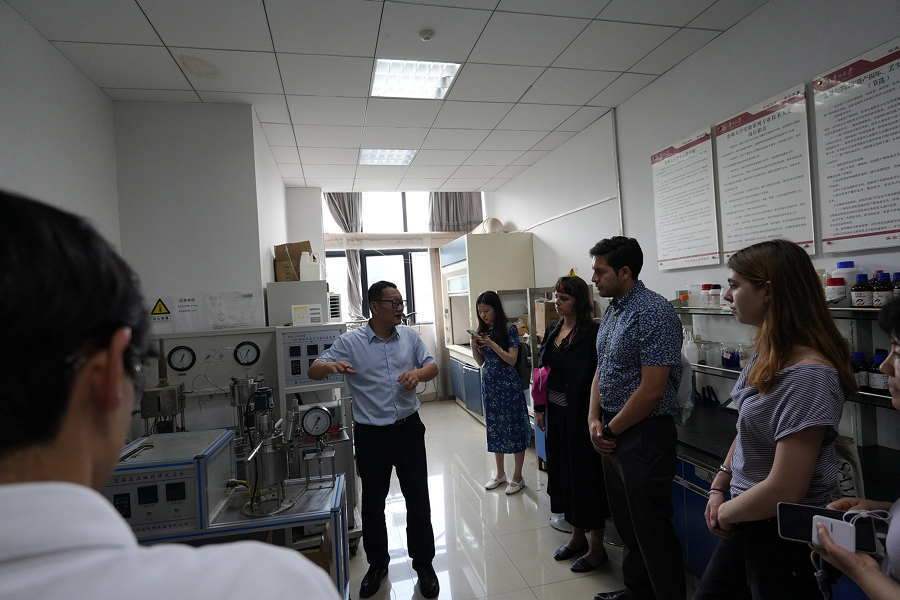
Participants explore green materials and resource-circulation research in a laboratory at Guizhou University
Throughout the program, participants took part in a series of technical visits and field investigations. On July 2, the group visited the National Big Data (Guizhou) Comprehensive Pilot Zone Exchange and Experience Center, the Guiyang Water Environment Science Museum, and the Geological Museum of Guizhou. These visits first gave participants an intuitive understanding of Guizhou's terrain, climate and geological structure, before showing how green computing power draws on local energy advantages to support the development of the digital economy. On July 3, the group visited a waste-to-energy project operated by Guiyang Zhongdian Environmental Protection Power Generation Co., Ltd., observing how the circular economy functions in a working facility. They then visited the Guanshanhu District Ecological Civilization Exhibition Hall and Xiaolanshan Digital Cultural Industry Ecological Village to explore how ecological civilization can be integrated with rural transformation, digital governance and community development. On July 6, the group traveled to Maotai Town to visit Kweichow Moutai Group and learn how a traditional brewing enterprise incorporates ESG principles into its operations. On July 8, participants visited Huaxi Yunding Wind Farm, where they examined how mountain wind development balances wind-resource assessment, site selection, grid integration and ecological protection. The visit transformed energy transition from a classroom concept into tangible infrastructure.
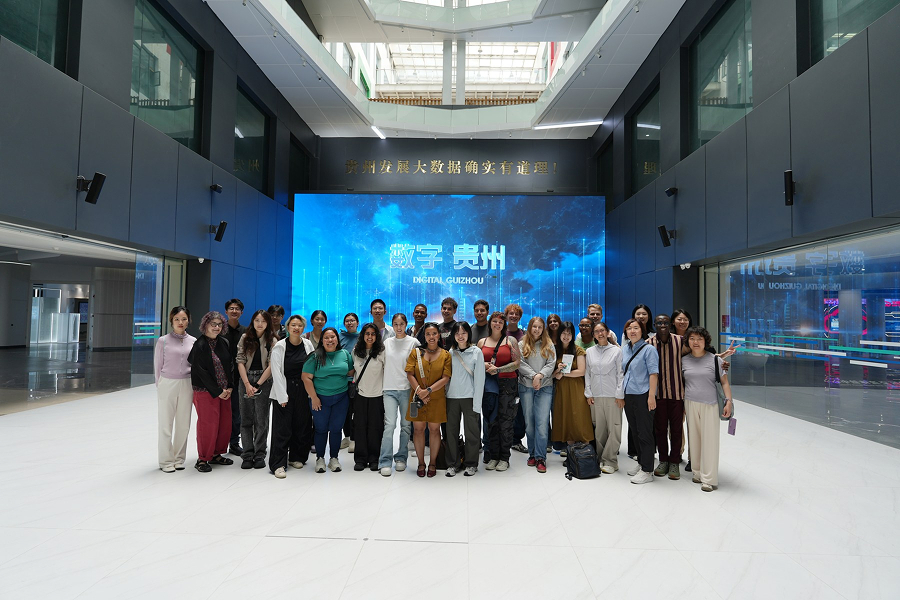
Participants visit the National Big Data (Guizhou) Comprehensive Pilot Zone Exchange and Experience Center
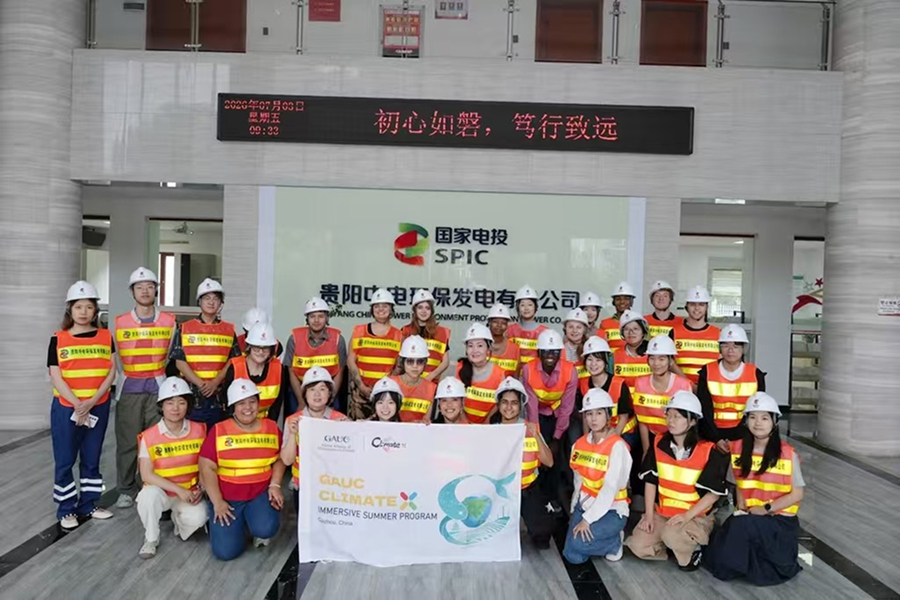
Participants visit a waste-to-energy project to learn how waste is converted into energy and reusable resources
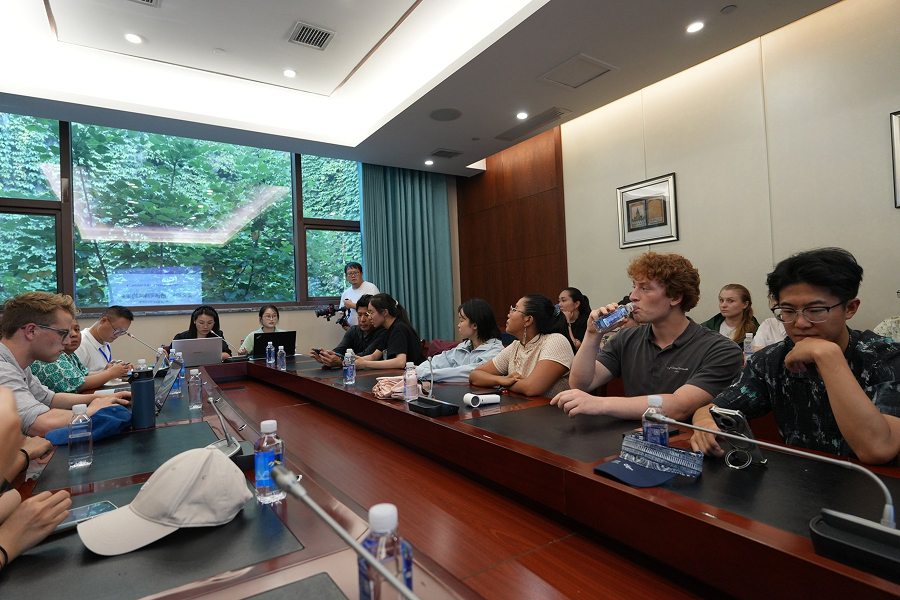
Participants join an ESG-themed exchange at Kweichow Moutai Group
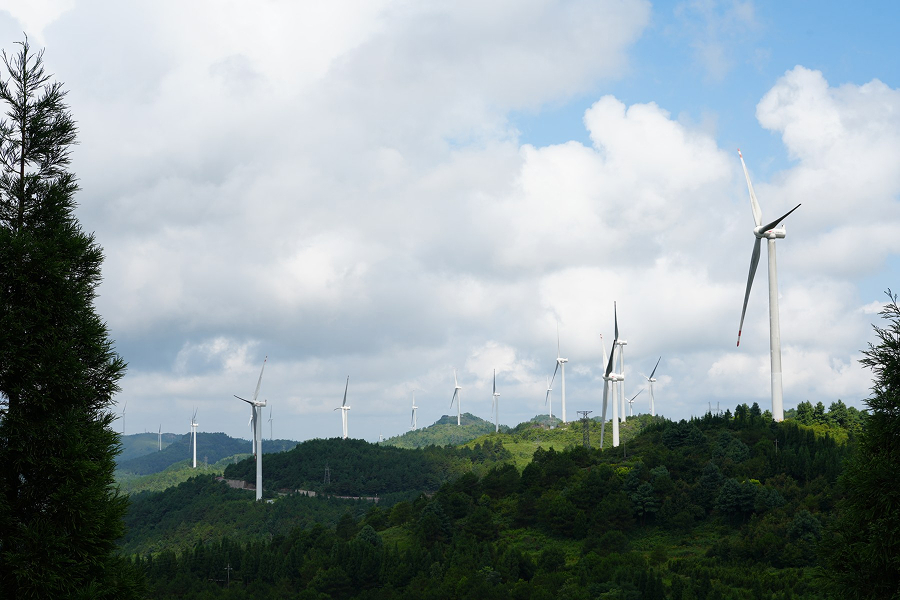
Huaxi Yunding Wind Farm converts Guizhou's mountain winds into clean electricity
Beyond field investigations and academic exchange, participants also engaged deeply with Guizhou's culture. The group visited the Kaili Miao & Dong Ethnic Customs Park, Jidao Miao Village and Xiasi Ancient Town, learning about the origins and development of local traditions through centuries-old paths, granaries and Miao embroidery. Participants also wore ethnic clothing and took to the stage of Guizhou's "Village T" runway show.
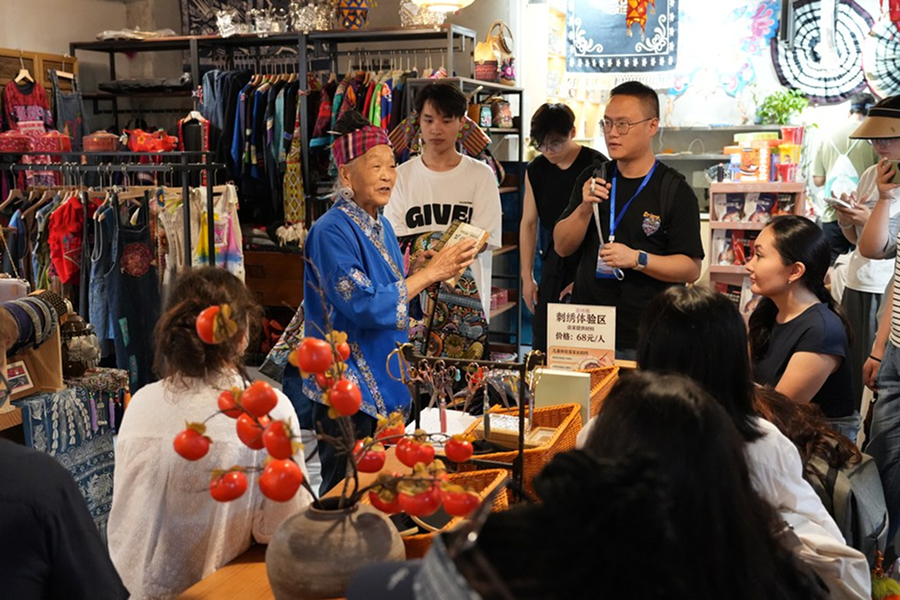
Pan Yuzhen, a national-level representative inheritor of Miao embroidery, shares the story of its transmission
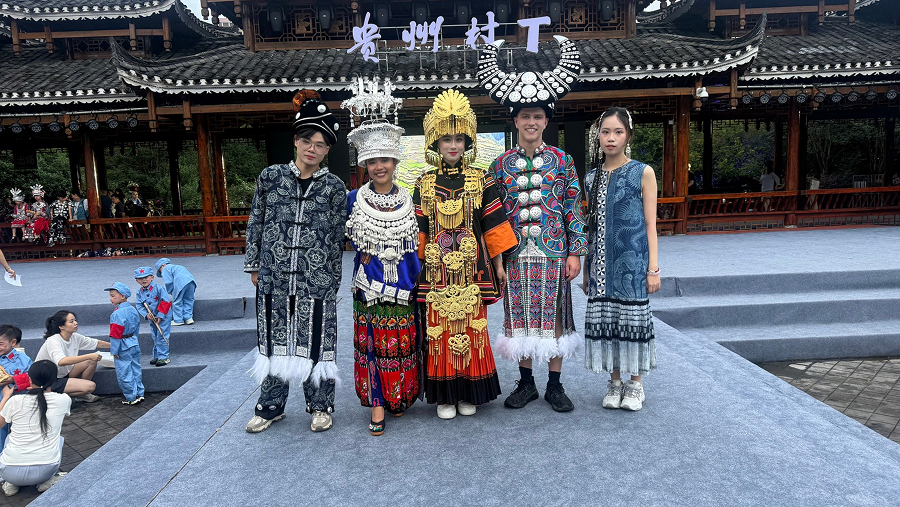
Participants join local villagers on the stage of Guizhou's "Village T" runway show
Effective climate action requires strategic guidance from the top, deep coordination between technology and industry, and sustained exploration through local practice. During the fieldwork, participants built new connections among digital, urban and natural systems. Drawing on the site visits and thematic lectures, they developed group discussions and project proposals on industrial adaptation, biodiversity, climate adaptation, data centers for AI, rural adaptation and marginalized groups. After several rounds of discussion and refinement, five teams presented their project outcomes on July 9. Faculty members commented on each presentation, commending the students' ability to turn local observations into clearly defined questions while encouraging them to strengthen evidence, comparative perspectives and policy-feasibility analysis in future research. Ten days of travel, listening and discussion thus came together in a shared youth response to climate action.
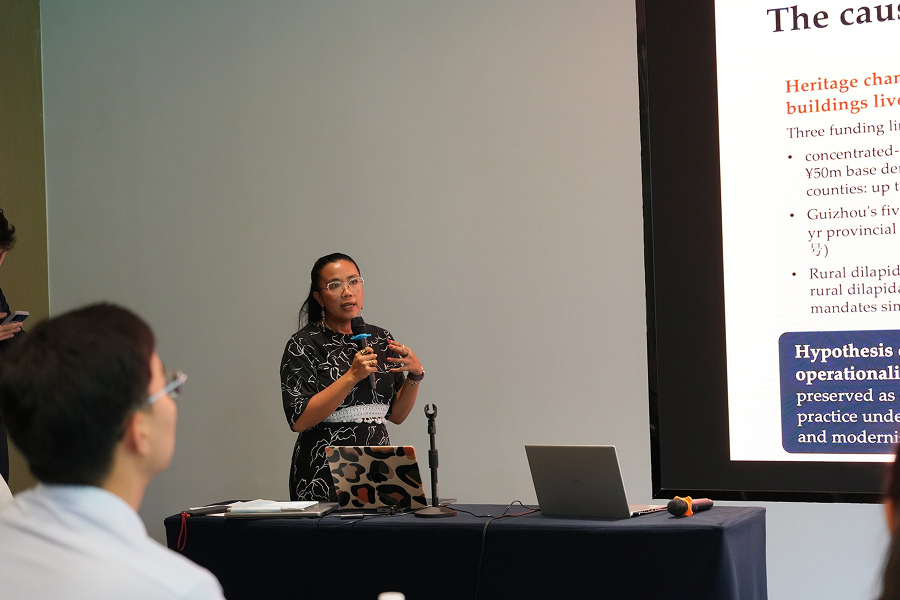
Chinese and international participants present group projects inspired by their fieldwork in Guizhou
Later that day, the program held its Cultural Exchange and Closing Ceremony. Participants shared festivals, clothing, music and stories from their home countries, and exchanged culturally distinctive gifts and handwritten cards. One card, delivered at random, expressed gratitude for ten days spent together, the friendships built across cultures and the hope of remaining a lasting community—a warm final note to the journey.
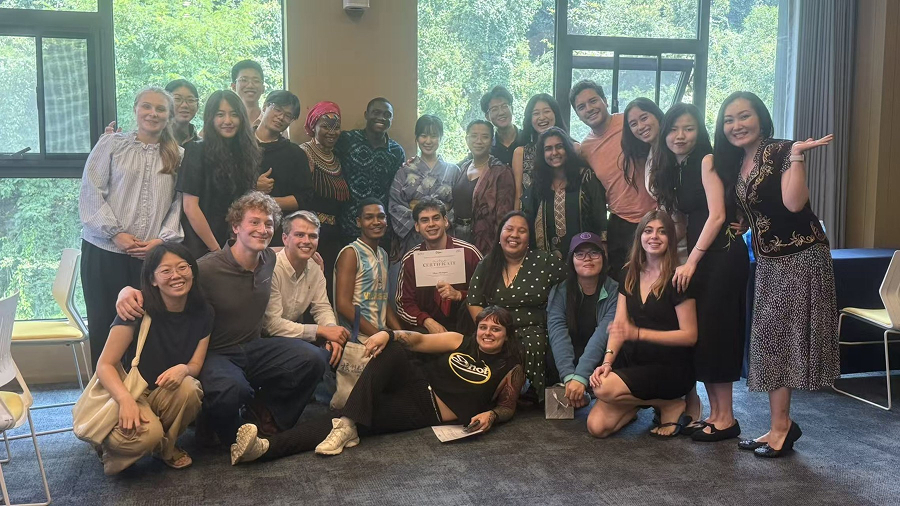
Chinese and international participants gather for a group photo at the Cultural Exchange and Closing Ceremony
The program created an international youth platform integrating academic dialogue, field-based learning, teamwork and cultural exchange. Across Guizhou's digital industries, production sites, mountain landscapes, villages and ethnic cultures, participants saw the many forms climate governance can take and recognized that effective climate action requires technological innovation and sound policy design. GAUC will continue to connect young people worldwide, turn knowledge into action and contribute youth perspectives to global climate governance and sustainable development.
- end -
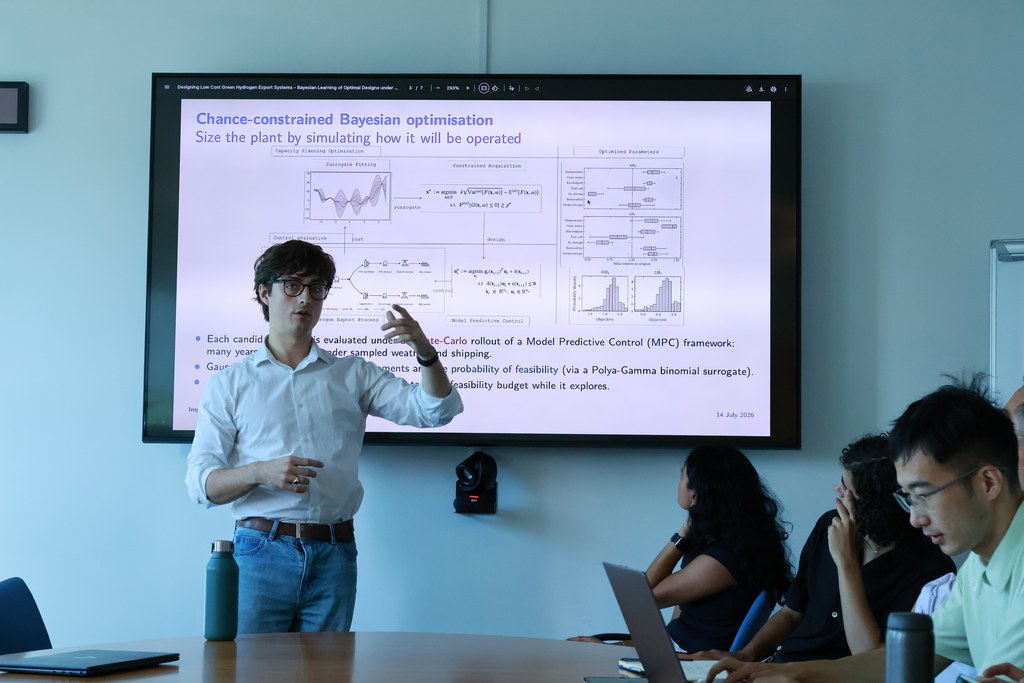
Students from the Department of Energy and Power Engineering, Tsinghua University Visit Imperial College London, the London School of Economics and Political Science, Oxford and Cambridge
LSE and Tsinghua University award twelve joint projects advancing global sustainability
Marching towards COP30 – GAUC Action Plan for Belem